From possibility to powered.
Understand the solar and battery process, project requirements, and the terms to review before you enroll.
Explore this guideEditorial photography / illustrative
Generate. Store. Use. Share.
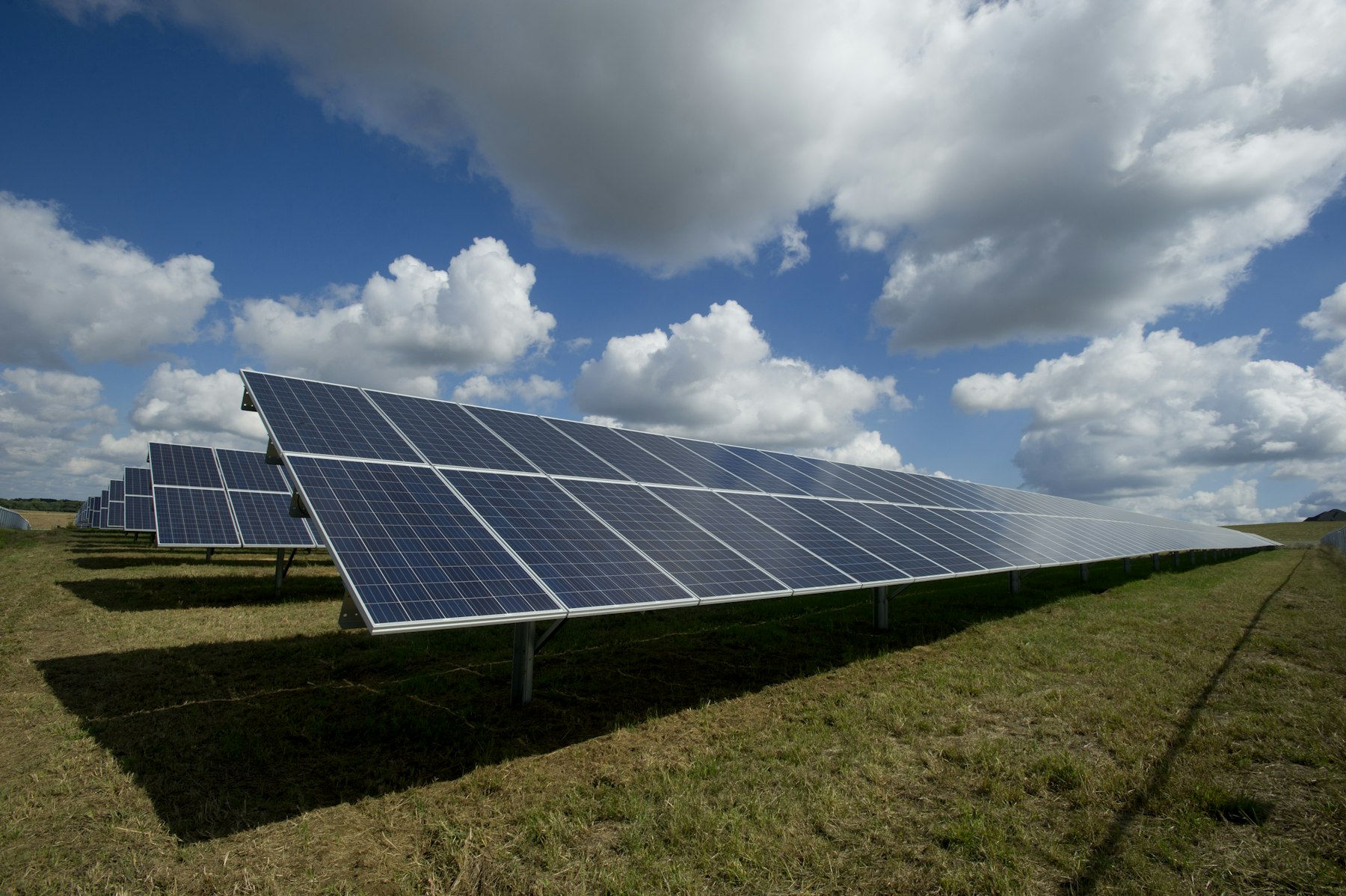
Solar can produce energy close to where it is used. Storage can shift energy into the evening and support selected loads during outages. Compatible systems may also participate in a Virtual Power Plant.
From design to activation.
Illustrative project timing.
Actual schedules and approvals vary.
- 01
Design
About 1 hourReview household usage and a proposed solar-and-battery layout.
- 02
Application
About 30 minutesComplete required application information after reviewing the offer.
- 03
Site survey
About 30 minutesConfirm roof, electrical service, equipment location, and site conditions.
- 04
Engineering
Often 3–7 daysPrepare engineering plans and resolve design requirements.
- 05
Approvals
Timing variesObtain program, customer, financier, and utility approvals as applicable.
- 06
Permits
Often 1–7 daysSubmit plans to the local authority; review times vary.
- 07
Home upgrades
About 2 weeks–3 months if neededRoof work, main-panel upgrades, and structural modifications can extend the timeline.
- 08
Installation
Often 5–8 hoursA qualified crew installs the approved equipment; complex projects may take longer.
- 09
Activation
Utility & area dependentComplete inspections and obtain utility permission to operate.
- 10
Long-term support
Per the written agreementReview monitoring, maintenance, warranties, replacements, and term length.
Why homes consider self-generation
Outages, wildfire-related shutoffs, changing demand, and grid investment affect how households plan for electricity. Solar plus storage may offer more predictable energy costs and backup capability, depending on the design and agreement.
Program requirements
Program screening may focus on outage-affected California homes with usage above approximately 600 kWh per month. This is an indicative screening criterion, not a guarantee. Your service territory, site conditions, current offer, and applicable program rules determine the outcome.
Review the protection package
A published offer is not a substitute for your contract. Ask the provider to confirm each item below in writing before relying on it.
- Upfront payment, financing structure, and whether the contract creates a loan, lien, lease, or PPA obligation.
- Starting energy rate, annual escalation, utility charges that remain, and how any quoted 20–35% savings are calculated.
- Whether roof, electrical-panel, structural work, or other home-readiness costs are included.
- The actual circuits and loads backed up; battery capacity, reserve settings, and realistic outage duration.
- System output warranty, any proposed 25-year term, workmanship coverage, maintenance, and monitoring.
- Battery replacement terms, a proposed 10-year roof warranty, exclusions, and any tax or assessment implications.
- Any six-month energy promotion, its conditions, start date, and how credits are applied.
- Home-sale transfer, buyer qualification, buyout or purchase options, and how each option affects program benefits.
Equipment, installation & financing
Equipment examples in Grid Stability’s program information include Qcells, Silfab, Tesla, and Enphase; installers including Sunrun, Energy Service Partners, and Freedom Forever; and financiers including GoodLeap, EnFin, and LightReach. Availability depends on the offer. These examples do not establish an affiliation with Grid Safety. Your proposal must identify the parties responsible for your project.
Selling your home
Ask how service and warranties transfer, whether a new owner must qualify, what a buyout costs, and whether a purchase ends any program benefits. Confirm with your provider and transaction advisers before representing system value in an appraisal or sale.